
Water Damage Restoration in Tempe, AZ — Historic Homes, Rentals & Flood Zones
Tempe's 1950s–1970s housing stock, high-density ASU rental properties, and Salt River FEMA flood zone create water damage challenges unlike any other East Valley city. 3S Restoration responds the same day, handles your insurance, and knows how to restore historic homes, multi-unit buildings, and flood-zone properties from start to finish. Call 480-550-8366 now.
Tempe's Unique Restoration Challenges
No Other East Valley City Has Tempe's Combination of Risk Factors
Tempe is the most densely built city in the East Valley, and it stopped growing outward decades ago. That means the housing stock is older than anywhere else in the region — the vast majority of Tempe's residential neighborhoods were built between the 1950s and 1970s, and those homes have original plumbing systems that are now 50 to 75 years old.
Add Arizona State University to the mix, and you have a city where a significant portion of the housing stock is landlord-owned and tenant-occupied — with the deferred maintenance that comes with that. In the ASU corridor, we regularly respond to water damage situations where a slow leak has been running for months before anyone reported it.
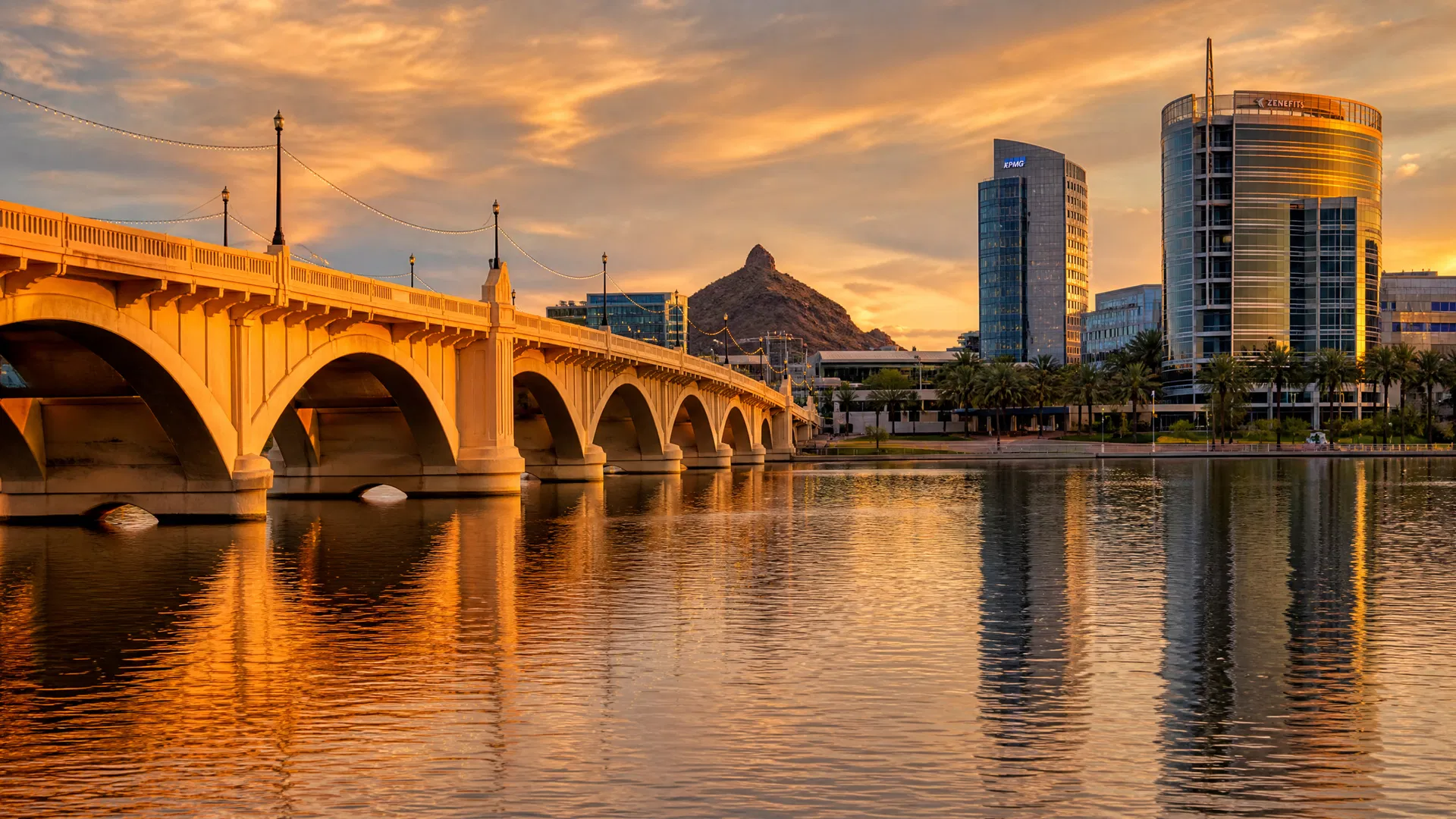
Then there's the Salt River. Tempe Town Lake sits in a FEMA Zone AE Special Flood Hazard Area, and properties along the corridor face flood risks that require specialized mitigation protocols — and separate flood insurance policies that most homeowners don't realize they need until it's too late. 3S Restoration is based in Mesa at 557 E Juanita Ave, just 15 minutes from most Tempe neighborhoods.
Neighborhood Risk Breakdown
What We See in Each Part of Tempe
Tempe's neighborhoods span 70 years of construction history and three distinct risk profiles. Here's what we encounter most often in each area.
Maple-Ash Historic District
ZIP 85281
Tempe's oldest residential neighborhood with homes from the 1940s and 1950s. Original lath-and-plaster walls, vintage plumbing, and strict Historic Preservation Officer permit requirements make restoration here more complex. Galvanized pipes in many homes are 70+ years old.
Mitchell Park / North Tempe
ZIP 85281
Tract homes built in the 1950s and 1960s, roughly one mile from ASU. High density of rental conversions with deferred maintenance. Original copper and galvanized plumbing at end-of-life. Water heater failures and supply line breaks are the most common calls we receive from this area.
ASU / Mill Avenue Area
ZIP 85281
Dense urban core with multi-unit residential buildings and mixed-use commercial properties. Water damage in one unit spreads to adjacent units rapidly. Landlord-managed properties often have years of deferred maintenance — patched rather than properly repaired. We respond to this ZIP code more than any other in Tempe.
Tempe Town Lake Corridor
ZIP 85281–85282
Properties adjacent to Tempe Town Lake sit within FEMA Zone AE — a designated Special Flood Hazard Area along the Salt River. Federally backed flood insurance is required for mortgaged properties here. Flood events require specialized decontamination protocols beyond standard water damage mitigation.
South Tempe / Kyrene Corridor
ZIP 85283–85284
Newer and higher-value homes than North Tempe, built primarily in the 1980s and 1990s. Drainage channels in this area can overflow during extreme monsoon events, causing sheet flow that enters homes through garages and sliding doors. Slab leaks from aging copper lines are increasingly common.
Warner Ranch
ZIP 85284
Established South Tempe family neighborhood with larger lots and mature landscaping. Irrigation system failures and aging supply lines are the primary water damage sources. Homes built in the late 1980s to early 1990s are at the age where water heaters and original plumbing fixtures begin to fail.
Know Your Home
How Tempe's Housing Stock Changes the Restoration Process
Lath-and-Plaster Walls: A Different Drying Challenge
Many Tempe homes built before 1970 have original lath-and-plaster walls rather than modern drywall. Plaster absorbs and holds moisture differently — it dries more slowly, and moisture can migrate further into the wall cavity before it becomes visible. Standard drying protocols designed for drywall don't work the same way. Our technicians adjust drying equipment placement and monitoring schedules specifically for plaster construction.
Maple-Ash Historic District: Permits Take Longer
Tempe's Historic Preservation Officer must review and approve reconstruction permits for properties in the Maple-Ash and Escalante historic districts. This adds a few business days to the permit timeline. We prepare all documentation in advance and submit complete packages to minimize delays. We also source period-appropriate materials and match original textures during reconstruction — something generic restoration contractors often can't do.
Rental Properties: Deferred Maintenance Is the Norm
In Tempe's ASU-adjacent rental market, we regularly encounter water damage situations that started as a minor issue months earlier — a dripping supply line under a sink, a slow toilet seal leak, a condensate line that was draining slightly off. Tenants report it, landlords patch it, and eventually the wall cavity is saturated with mold. When we arrive, the visible damage is just the surface of a much larger problem. We moisture-map every square foot before scoping the job.
FEMA Flood Zone: Two Insurance Policies, One Claim Process
Properties in Tempe's FEMA Zone AE require separate flood insurance through the National Flood Insurance Program — standard homeowners policies explicitly exclude flood damage. When a flood event occurs, you're dealing with two separate claims processes simultaneously. We document damage in a way that satisfies both adjusters, and we're experienced with the specific requirements of NFIP claims, which differ significantly from standard homeowners claims.
What We Respond To
Most Common Water Damage Causes in Tempe
Our Credentials
Monsoon Season: June 15 – September 15
Tempe's monsoon season brings intense storms that can overwhelm the city's drainage infrastructure. South Tempe drainage channels are particularly vulnerable to overflow during extreme events. Properties near the Salt River and Tempe Town Lake face additional flood risk. If your home takes on water during a storm, call us immediately — mold begins growing within 24–48 hours in Tempe's summer heat.
Full-Service Restoration
Everything We Handle for Tempe Homeowners & Landlords
Water Damage Restoration
Same-day extraction, structural drying, and full restoration. We work directly with your insurance.
Fire & Smoke Damage Restoration
Board-up, smoke removal, odor elimination, and full structural rebuild.
Mold Remediation
IICRC-certified mold removal with air quality testing and clearance.
Home Remodeling
Kitchen, bathroom, and full-home renovations by our licensed general contractor team.
Insurance Restoration
We handle the entire insurance process — from claim filing to final inspection.
Building Restoration
Storm damage, structural repairs, and full reconstruction after a loss.
Common Questions
Tempe Homeowners & Landlords Ask Us
Is my home near Tempe Town Lake in a FEMA flood zone?
Properties adjacent to Tempe Town Lake and the Salt River corridor are in FEMA Zone AE — a Special Flood Hazard Area with a 1% annual chance of flooding. Over a 30-year mortgage, that translates to a 26% chance of a flood event. Standard homeowners insurance does not cover flood damage; you need a separate NFIP flood policy. If your home floods, call us immediately — we handle the documentation and work directly with both your homeowners carrier and your flood insurer.
My Tempe home was built in the 1960s — what plumbing risks should I know about?
Homes built in the 1950s through 1970s in Tempe are now 50 to 75 years old. Original galvanized steel pipes corrode from the inside out and can fail suddenly. Copper supply lines from this era are also well past their typical lifespan. Slab leaks are common as pipe joints fatigue under the foundation. Many of these homes also have original lath-and-plaster walls rather than modern drywall, which absorbs and holds moisture differently and requires specialized restoration techniques.
I'm a landlord with a rental property near ASU — what should I do when there's water damage?
Call us immediately — in multi-unit buildings, water from one unit spreads to adjacent units faster than most landlords expect. We respond 24/7, document all affected areas with moisture mapping before we touch anything, and provide the detailed Xactimate scope your insurance adjuster needs. We also coordinate directly with property management companies and work around tenant occupancy to minimize disruption. Deferred maintenance situations — where a slow leak has been running for months — are something we handle regularly in Tempe's rental market.
Does water damage restoration in Tempe's Maple-Ash Historic District work differently?
Yes — historic district properties require additional review by the City of Tempe's Historic Preservation Officer before reconstruction permits are issued, which adds a few days to the timeline. The restoration itself is also more complex: original lath-and-plaster walls require different drying protocols than modern drywall, and matching historic materials and textures during reconstruction requires experienced craftsmen. We've worked in Tempe's historic neighborhoods and understand both the permitting process and the hands-on restoration requirements.
How quickly can 3S Restoration reach my home in Tempe?
From our Mesa office at 557 E Juanita Ave, we can reach most Tempe neighborhoods in 15 to 20 minutes via the US-60 West. North Tempe and the ASU area are typically 15 minutes. South Tempe near the Kyrene corridor is 20 to 25 minutes. We dispatch immediately for active water emergencies and are available 24/7.
Ready to Get Started?
Call Now — We Respond the Same Day.
Free inspection. We handle your insurance. One company from emergency response to finished restoration.
Serving Maple-Ash Historic District · Mitchell Park · ASU Area · Tempe Town Lake · South Tempe · Warner Ranch and all of Tempe, AZ